

In 2026, the overall best graphics card for gaming is the NVIDIA GeForce RTX 4070 Super because it delivers flawless 1440p high-FPS performance, 12GB of VRAM, and full DLSS 3 frame generation for around $599. For budget 1080p gaming under $300, the AMD Radeon RX 7600 is the undisputed value king. For uncompromising 4K ray tracing, the NVIDIA GeForce RTX 4080 Super and RTX 4090 hold the ultimate performance crown.
The graphics card (GPU) is the single most expensive, performance-critical component inside any gaming computer. It renders the pixels, calculates in-game physics, and dictates whether your games feel buttery smooth or unplayably choppy. Finding the best graphics card for gaming in 2026 is about matching your budget to your monitor’s native resolution without overpaying for features you will never use. This guide provides an actionable, tier-based ranking of the top GPUs on the market, breaks down the VRAM controversy, and explains how to avoid power supply bottlenecks. If you are building a full system around your new GPU, explore our master guide on The Best Gaming Motherboard of 2026.
1. Top 5 Best Graphics Card for Gaming Rankings for 2026
We have ranked these graphics cards by resolution tier and value to help you make an immediate, confident purchase.
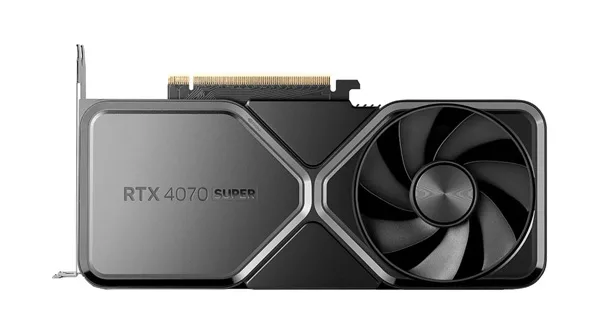
1. The Overall 1440p Sweet Spot: NVIDIA GeForce RTX 4070 Super (12GB)
This is widely considered the best graphics card for gaming for 90% of PC enthusiasts in 2026. It features 7,168 CUDA cores, 12GB of fast GDDR6X memory, and draws only 220 watts.
- Action Feature: Delivers 100+ FPS at 1440p ultra settings in heavy titles like Cyberpunk 2077 with DLSS 3 enabled, making it the ideal pairing for a Best 1440p Gaming Monitor.
2. The Budget 1080p Value Champion: AMD Radeon RX 7600 (8GB)
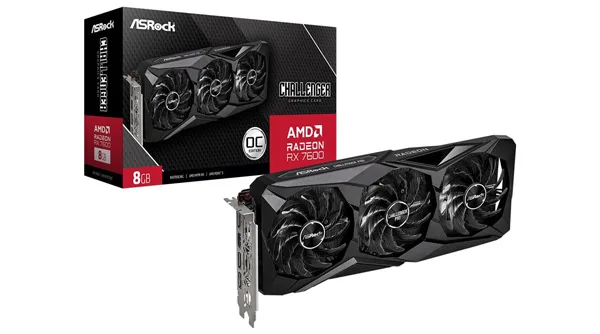
If you have a strict sub-$280 budget, this is the best graphics card for gaming. It easily crushes esports titles (Valorant, CS2, Fortnite) at 200+ FPS and handles modern AAA games at 1080p high settings.
- Action Feature: Features modern AV1 video encoding, making it great for budget Twitch streamers.
3. The 16GB VRAM Value King: AMD Radeon RX 7800 XT (16GB)
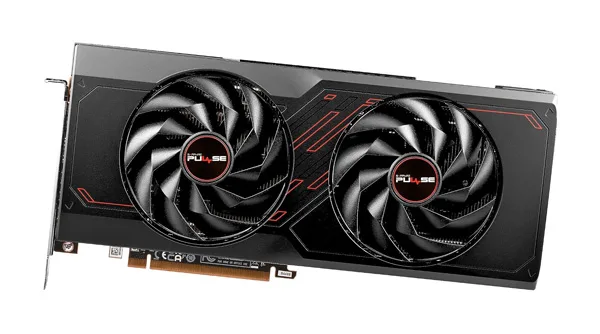
If you hate NVIDIA’s VRAM limitations and want a pure rasterization powerhouse for under $520, this is the best graphics card for gaming.
- Action Feature: Includes a massive 16GB of VRAM and a wide 256-bit memory bus, ensuring you will never experience texture pop-in or stuttering in unoptimized modern games.
4. The Mid-Tier 1080p/1440p Hybrid: NVIDIA GeForce RTX 4060 (8GB)
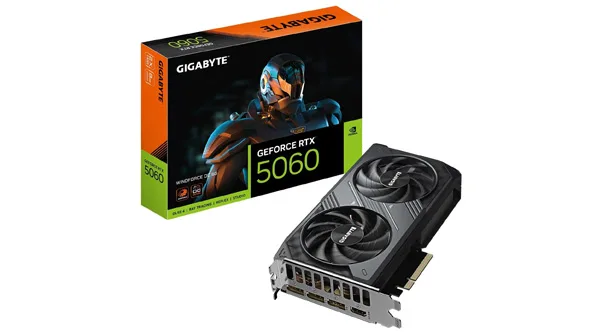
For gamers upgrading an older pre-built PC, the RTX 4060 is an extremely efficient best graphics card for gaming choice. It draws only 115 watts, meaning it runs cool and works with older 500W power supplies without requiring an expensive PSU upgrade.
5. The 4K Flagship Titans: NVIDIA GeForce RTX 4080 Super & RTX 4090
For gamers who demand native 4K gaming with full path-traced ray tracing on an OLED TV or high-end monitor, these are the pinnacle of performance.
- If you are building an extreme enthusiast rig, explore our specialized rankings in The 5 Best High-End Graphics Cards for 4K Gaming in 2026.
2. Resolution Matching: Pairing the Best Graphics Card for Gaming to Your Monitor
The biggest mistake PC builders make is buying a graphics card that doesn’t match their display.
1080p (Full HD – 1920×1080)
At 1080p, spending more than $350 on a GPU is a waste of money because your CPU becomes the performance bottleneck.
- Target GPUs: AMD RX 7600, NVIDIA RTX 4060.
- Ideal Display Pairing: An affordable 144Hz Gaming Monitor Under $200.
1440p (Quad HD – 2560×1440)
The modern 2026 gaming standard. 1440p puts heavy load on the GPU while maintaining high frame rates.
- Target GPUs: NVIDIA RTX 4070 Super, AMD RX 7800 XT.
4K (Ultra HD – 3840×2160)
4K rendering contains four times the pixels of 1080p. It requires massive VRAM and raw compute power.
- Target GPUs: NVIDIA RTX 4080 Super, RTX 4090, AMD RX 7900 XTX.
3. VRAM Truth: How Much Memory Does Your Best Graphics Card for Gaming Need?
Video RAM (VRAM) is the dedicated memory on the graphics card used to store high-resolution textures, shadow maps, and geometry data.
The 8GB Baseline (1080p Only)
In 2026, 8GB of VRAM is the bare minimum. While completely fine for esports titles and 1080p gaming, running modern AAA games at 1440p on ultra textures can exceed 8GB, causing severe frame stutters.
The 12GB Sweet Spot (1440p Ready)
Cards with 12GB of VRAM (like the RTX 4070 Super) provide comfortable headroom for all 1440p gaming and moderate ray tracing without texture degradation.
The 16GB+ Future-Proof Standard (4K and Heavy Ray Tracing)
For maximum longevity over the next 4 to 5 years, choosing a best graphics card for gaming with 16GB of VRAM (like the RX 7800 XT or RTX 4080 Super) ensures you will never hit memory bottlenecks.
4. NVIDIA vs. AMD: Features, DLSS 3, and Ray Tracing
Choosing your best graphics card for gaming brand comes down to software features versus raw hardware value.
NVIDIA Advantages (Features & Efficiency)
- DLSS 3 Frame Generation: Uses AI to generate entirely new frames, doubling your perceived frame rate in demanding games with minimal visual artifacting.
- Ray Tracing Supremacy: NVIDIA’s dedicated RT cores run real-time reflections and global illumination significantly faster than AMD competitors.
- Power Efficiency: RTX 40-series cards run cool and consume less power under full load.
AMD Advantages (Raw Value & VRAM)
- Price-to-Rasterization: Dollar for dollar, AMD cards provide more raw FPS in traditional non-ray-traced games.
- More VRAM per Dollar: AMD generously includes 16GB of VRAM on $500 cards where NVIDIA often only offers 12GB.
Pairing your GPU with the right processor is essential. Read our comprehensive showdown: AMD vs Intel Gaming in 2026: Why AMD Is the New Standard.
5. Power Supply (PSU) and Case Clearance Considerations
Before buying your best graphics card for gaming, verify that your current PC case and power supply can physically support it.
Recommended Power Supply Wattages
- RTX 4060 / RX 7600: 550W – 600W Power Supply.
- RTX 4070 Super / RX 7800 XT: 650W – 750W Power Supply.
- RTX 4080 Super / RTX 4090: 850W – 1000W+ Gold Rated Power Supply.
Physical GPU Length (Case Sag)
Modern high-end graphics cards can be over 320mm (12.5 inches) long and weigh over 4 pounds.
- Action Tip: Measure your case interior before ordering, and use an inexpensive GPU Support Bracket to prevent the heavy card from bending your motherboard’s PCIe slot over time.
Heavy GPUs produce intense heat. Ensure your cooling is up to par with AIO vs Air Cooling in 2026.
Conclusion: Take Action on Your Graphics Upgrade
Finding the best graphics card for gaming in 2026 comes down to matching your budget to your display goals. If you want the ultimate 1440p experience with cutting-edge DLSS 3 features, the RTX 4070 Super is the undisputed champion. If you want maximum VRAM and raw performance for under $520, the AMD RX 7800 XT is unbeatable.
Upgrade your graphics card, install the latest drivers, and enjoy your favorite games with high frame rates and stunning visual clarity.
Check real-time GPU benchmark hierarchy charts on TechPowerUp